
Do You Suffer From...
- Pelvic Pain?
- Heavy Menstrual Bleeding?
- Unexplained Weight Gain?
- Frequent Urination?
Be Fibroid Free Without Surgery at VIP!


Request a Consultation with our Friendly and Knowledgeable Staff
Why Choose VIP Fibroid Center?
Hear From Our Patients In Their Own Words
Our mission is to help women treat the fibroids that have been adversely impacting their quality of life.
Uterine Fibroid Embolization (UFE)
How Will UFE Change Your Life?
- Helping women get relief from menstrual bleeding and pain caused by fibroid tumors
- Helping prevent recurrence of fibroids, unlike with hormonal therapy and laser treatments of uterine fibroids
- Fewer risks of complication and less time required for recovery than in traditional surgery, because the treatment is minimally invasive
- Precision delivery of small particles to the necessary arteries to block blood flow to fibroids
- No requirement for general anesthesia and virtually no blood loss in the process
- High success rate (Almost 90% of all women treated with the UFE procedure report significant or complete success in the treatment of their fibroid-related problems.)
Am I a Candidate?
If you are currently suffering from uterine fibroids and are seeking a safe, non-surgical alternative to traditional surgery or hysterectomy, UFE may be right for you. It’s important that you are diagnosed and treated early by a professional doctor to avoid complications and ensure the process is successful.
If you are looking for UFE treatment services around the Bay Area, the VIP Fibroid Center is the place to go to. At the VIP Fibroid Center, Dr. Anup Singh and Dr. Rajeev Tandon have the expertise and knowledge to handle your case in the best way possible, no matter how complex it may be.
Uterine Fibroid Embolization
Non-surgical minimally invasive procedure which requires a “pin hole” incision in your wrist or thigh
No general anesthesia required. Just “twilight” sedation is needed.
Outpatient procedure – no hospital stay
1-2 week recovery
Preserves the uterus
AbdominalHysterectomy
Surgical procedure requiring one or more surgical scars depending on how it is performed
General anesthesia
Average hospital stay is 2-3 days
2-6 week recovery
Removes uterus
Our Doctors
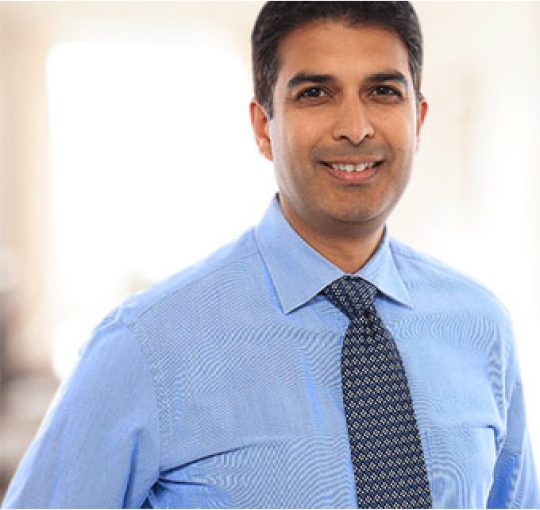
Rajeev Tandon, M.D.
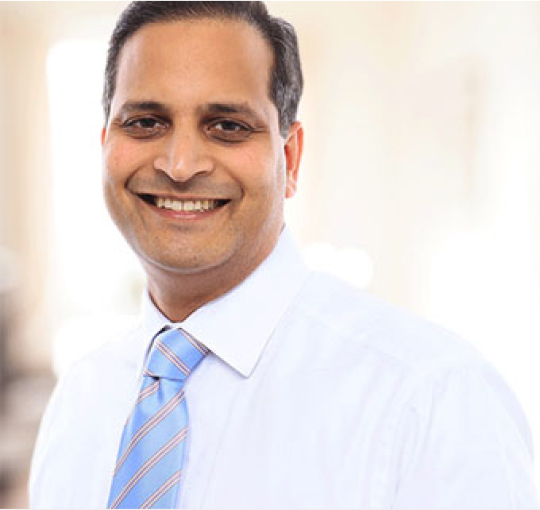
Anup Singh, M.D.
Understanding Uterine Fibroids
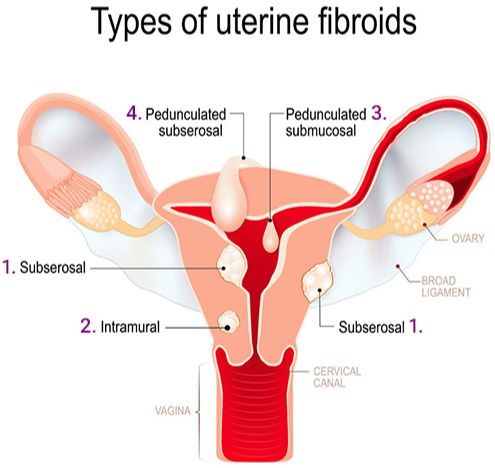
What Are Uterine Fibroids?
- Subserosal: Subserosal fibroids develop under the outer uterine layer. These fibroids produce small bumps on the outer wall of the uterus and may cause pelvic pain as they grow.
- Intramural: Intramural fibroids are the most commonly occurring and are classified by growth in the muscle wall of the uterus. These fibroids can cause the uterus to bloat which may be confused with pregnancy. Heavy menstrual bleeding discomfort and frequent urination are common symptoms.
- Submucosal: Submucosal fibroids grow under the inner lining of the uterus. These fibroids can causing abnormal bleeding and pain in the pelvis because they impact blood vessels. Submucosal fibroids can cause fertility problems if they grow too large and obstruct the fallopian tubes. They can also cause extended menstrual periods, anemia, and chronic fatigue.
- Pedunculated: Pedunculated fibroids grow on the outside the uterus. These fibroids may cause pelvic cramping, discomfort and pressure if it becomes enlarged or twisted.
Symptoms
Pelvic Pain or Pressure
Leg Pain
Backache
Constipation
Difficulties in Emptying Bladder
Frequent Urination
Heavy Menstrual Bleeding
Loss of Libido
Unexplained Weight Gain
Infertility
Menstrual Bleeding For More Than Seven Days
Painful Sex
Risk Factors
Weight: Overweight women have an increased chance of developing fibroids. A diet with lack of fruit or vegetables can increase risk. It has been found that eating multiple servings of fruit, especially citrus fruits, a day helps lowering fibroid risk.
Genetics: Your risk of developing uterine fibroids is higher if your sister or mother has had fibroids.
Ethnicity: African American women are at higher risk for developing fibroids than women of other racial origins. Additionally, African American women are more likely to develop fibroids at earlier ages, and are at higher risk of developing larger fibroids or greater numbers of fibroids.
Age: Most fibroid cases are seen in women between ages of 35-50. They are extremely common with researching showing that by the age of 50, 70% of women have developed fibroids.
Hormones: During each menstrual cycle, the two female hormones, estrogen and progesterone, stimulate development throughout the uterine lining, in preparation of the uterus for pregnancy. This natural process apparently promotes fibroid growth. The fibroids contain greater amounts of estrogen and progesterone receptors than do the normal muscle cells of the uterus. Alternatively, the decreases in these hormones during menopause appears to account for the tendency of fibroids to shrink in size after menopause.
Lifestyle: Using birth control, beginning menstruation at an early age, drinking alcohol, Vitamin D deficiency, obesity, and/or maintaining a diet higher than recommended in red meat and lower than recommended in green vegetables may place you at increased risk for fibroid development.
Reproduction: Women who have never given birth are at a higher risk of developing fibroids. The more children you have, the less likely you are to develop fibroids.
“Every patient deserves a highly trained, experienced physician, capable of providing the latest treatments. But your doctor should also listen and communicate well with you. This way, together, we can achieve the best results.”
VIP Fibroid Center Locations
San Jose
Phone Number: (408) 371-8346 Office Hours: Monday –Friday 9AM – 5PM Address: 2410 Samaritan Dr. Suite #102 San Jose, CA 95124
San Francisco
Phone Number: (408) 371-8346 Office Hours: Monday –Friday 9AM – 5PM Address: 1 Daniel Burnham Ct #205-C, San Francisco, CA 94109
Walnut Creek
Phone Number: (408) 371-8346 Office Hours: Monday –Friday 9AM – 5PM Address: 460 N Wiget Ln Ste B, Walnut Creek, CA 94598
Request a Consultation
- 2410 Samaritan Dr. Suite #102San Jose, CA 95124
- 1 Daniel Burnham Ct #205-CSan Francisco, CA 94109
- 460 N Wiget Ln Ste BWalnut Creek, CA 94598
- Office Hours:Monday - Friday 9AM - 5PM